How to Keep Your Dog Safe Outdoors with a GPS Dog Collar and Wireless Dog Fence

Learn how a GPS Dog Collar and Wireless Dog Fence help monitor your dog’s location, manage outdoor boundaries, and improve pet safety with Halo Collar.
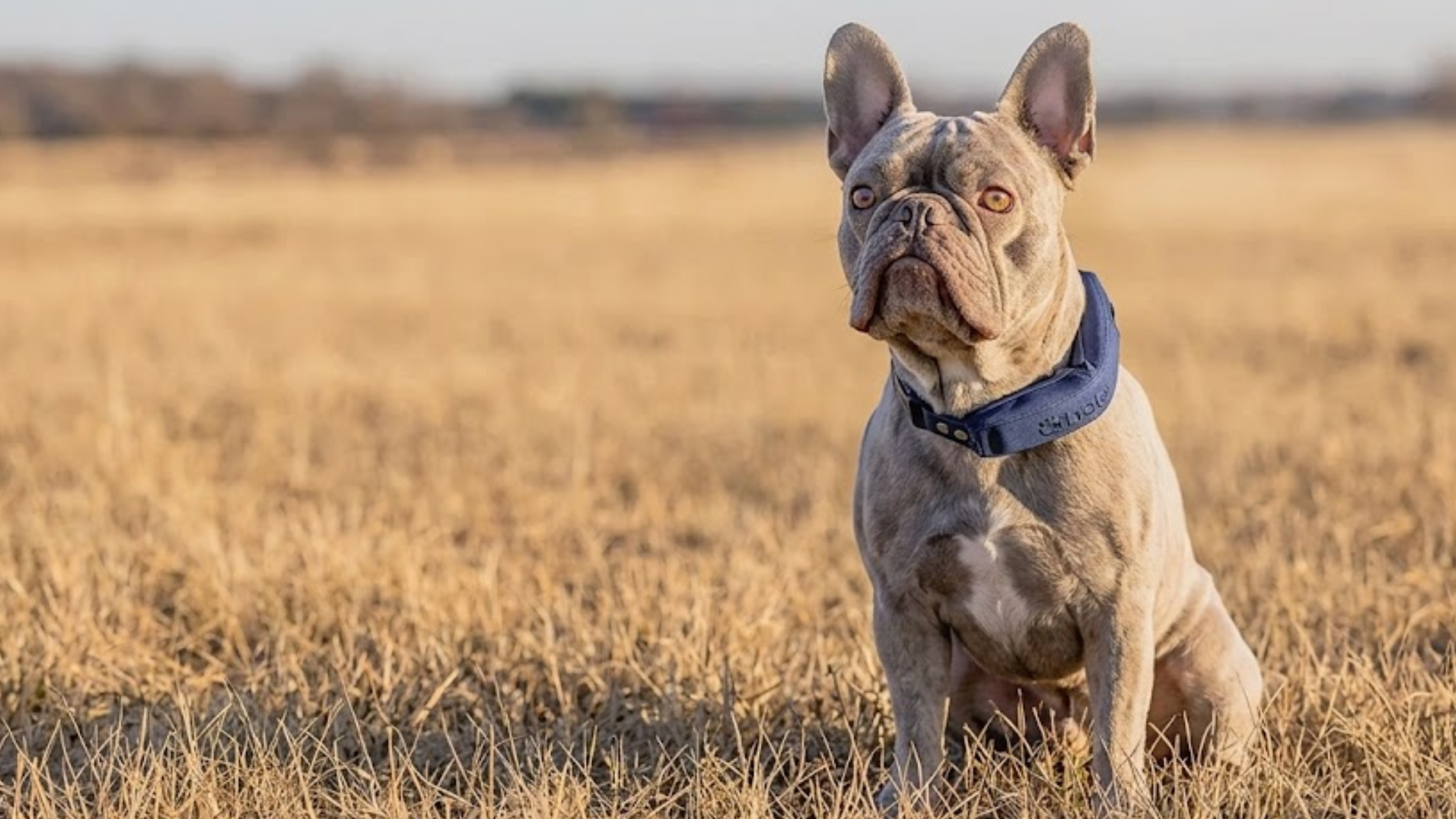
Keeping your dog safe outdoors can feel challenging, especially when your pet loves exploring. For example, your dog might play happily in the garden one moment. However, it might chase a squirrel or approach an open gate next. Consequently, these situations can worry even the most attentive pet owners. Traditional fences provide protection, but they may not suit every property. For instance, some homes have large yards, uneven terrain, or restrictions on permanent fencing. Meanwhile, ordinary collars cannot stop dogs from wandering away. Fortunately, modern technology offers additional ways to manage outdoor boundaries. A GPS Dog Collar helps you monitor your dog's location. Meanwhile, a Wireless Dog Fence supports boundary training. Halo Collar offers an integrated approach to GPS tracking and virtual fence boundaries for dogs. By understanding these options, you can choose a practical solution for your pet and property.
Why Keeping Dogs Within Safe Boundaries Can Be Difficult
Dogs naturally explore their surroundings through curiosity, energy, and instinct. Therefore, responsible owners need reliable ways to manage outdoor freedom and keep their dogs safe.
Dogs Can Wander Away Unexpectedly
Common Reasons Dogs Escape Even well-trained dogs may chase wildlife, react to unfamiliar sounds, or approach other animals. Additionally, an open gate or damaged fence can give dogs an escape route. Some dogs also squeeze through narrow gaps or jump over barriers. Therefore, physical fencing alone cannot always prevent escapes. When dogs leave familiar areas, owners may struggle to find them quickly. Moreover, busy roads, unfamiliar neighbourhoods, and unpredictable surroundings can increase the danger.
Traditional Fencing Can Be Expensive
Installing a permanent fence requires materials, labour, and ongoing maintenance. Moreover, large properties can make these expenses particularly significant. Additionally, rental agreements, neighbourhood rules, or property layouts may prevent owners from installing fences. Some owners also prefer to maintain an open garden. However, an unsecured yard can expose dogs to unnecessary risks. Therefore, finding an alternative requires balancing convenience, safety, and your dog's behaviour.
Recall Training Does Not Always Work
Teaching your dog to return when called is essential for reliable recall. However, distractions can make this command difficult to follow, especially outdoors. For example, your dog might ignore familiar commands while chasing wildlife or investigating interesting scents. Therefore, combine consistent training with appropriate safety measures to improve recall.
What Causes Dogs to Ignore Boundaries?
Understanding canine behaviour helps owners develop more effective safety routines. Dogs rarely wander away for just one reason.
Natural Curiosity and Strong Instincts
Many dogs enjoy following scents, chasing moving objects, and exploring unfamiliar spaces. Consequently, these instincts can override learned behaviours during exciting situations. Additionally, puppies and energetic breeds often need extra supervision and consistent training. However, even mature dogs can become distracted by unexpected stimuli.
Inconsistent Training and Unclear Boundaries
Dogs learn through repetition, clear signals, and positive reinforcement. However, inconsistent rules can confuse dogs about boundaries. For example, letting your dog roam freely sometimes may weaken boundary awareness. Similarly, introducing a new yard without training can create uncertainty. Fortunately, structured practice helps dogs understand where they should stay. Technology can support this process, but it cannot replace proper training.
Practical Ways to Keep Your Dog Safe Outdoors
Before investing in new equipment, establish a reliable safety routine. Additionally, combine proper training, active supervision, and suitable technology to achieve better results.
1. Inspect Your Existing Fence
Start by checking your garden’s physical boundaries. Look for damaged panels, loose gates, gaps beneath fences, and areas your dog could climb. Next, repair weak spots promptly and secure gates with reliable latches. Also, remove objects that might help your dog jump over barriers. If your property lacks suitable fencing, consider temporary enclosures or professionally installed alternatives. Additionally, Halo Collar can provide another option for pet owners exploring technology-based solutions to help manage their dogs’ boundaries. Finally, choose an arrangement that suits your dog’s size, temperament, and activity level.
2. Practise Reliable Recall Training
First, teach your dog to return whenever you call its name. Begin indoors or in a quiet, enclosed area with minimal distractions. Next, reward successful responses with small treats, praise, or favourite toys. Gradually introduce more distractions as your dog responds more consistently. Additionally, keep every training session short, enjoyable, and positive. Finally, test your dog’s recall in different environments before trusting its responses reliably.
3. Supervise Outdoor Activities
Always supervise your dog when exploring unsecured areas. This helps you identify potential hazards before they become emergencies. Additionally, use a suitable leash during walks and unfamiliar outdoor activities. Ensure your dog wears identification with up-to-date contact details. Furthermore, consider microchipping your dog as another important identification method. However, remember that a microchip cannot transmit your dog's live location.
4. Consider GPS Tracking Technology
A GPS Dog Collar helps you locate your pet through compatible tracking technology. Depending on the device, you may access location updates, activity monitoring, and escape notifications. Before purchasing, check tracking accuracy, update frequency, subscription requirements, and coverage limitations. Additionally, consider how terrain, buildings, and satellite signals may affect GPS performance. However, location tracking cannot physically prevent your dog from leaving your property. Instead, it helps you respond quickly when your pet leaves an expected area.
5. Explore Electronic Boundary Systems
A Wireless Dog Fence offers another option for managing outdoor boundaries. Depending on the system, GPS positioning or other technology establishes designated areas. Additionally, some systems communicate with compatible collars and warn dogs near boundaries. However, proper setup, suitable equipment, and consistent training determine their effectiveness. Before choosing a system, check its coverage area, terrain compatibility, and battery life. Also, review its training requirements before making your final decision. Most importantly, ensure the system suits your dog's temperament and individual needs.
How Halo Collar Products Can Support Outdoor Safety
When comparing modern pet-safety technology, owners may consider Halo Collar for GPS tracking and virtual boundaries. The system combines compatible collar hardware with software features to help owners manage their dogs’ outdoor movement. Depending on the model and service plan, features may include GPS tracking, boundary alerts, and activity information. Additionally, this approach offers flexibility for owners who want alternatives to traditional fencing. However, property conditions, device setup, and individual dog training can affect performance. Before purchasing Halo Collar, review its current specifications carefully. Confirm subscription costs, GPS coverage, battery expectations, and compatibility with your intended use. However, virtual boundaries differ from physical fences. They cannot create solid barriers against traffic, wildlife, unfamiliar animals, or other hazards. Therefore, introduce the system gradually and follow its training guidance. Moreover, continue supervising your dog, especially during the initial learning period.
Benefits of Choosing the Right Dog-Safety Technology
Choosing suitable equipment can make outdoor management easier and more convenient. However, responsible ownership and effective technology together deliver the best results.
Greater Awareness of Your Dog's Location
A GPS-enabled collar helps owners check their dog's reported location. Additionally, this information helps owners locate pets that wander beyond designated areas. However, tracking updates may experience delays or signal limitations. Therefore, always maintain a practical recovery plan instead of relying solely on technology.
More Flexible Boundary Management
A virtual fence may suit properties where traditional fencing becomes difficult or expensive. As a result, owners can establish designated boundaries without building permanent barriers. However, owners must configure boundary systems correctly and provide consistent training. Additionally, these systems may not suit every property or dog.
Better Support for Everyday Routines
The right equipment can support recall training and supervised outdoor exercise. Additionally, it can help owners better understand their pets' movements. When comparing Halo Collar Products, evaluate usability, ongoing costs, safety features, and your dog's needs. Ultimately, a thoughtful purchase can deliver better value than choosing equipment based on features alone.
Conclusion: Choose a Smarter Approach to Dog Safety
Keeping your dog safe outdoors requires more than one product. Instead, combine reliable fencing, consistent recall training, supervision, and proper identification for responsible pet care. A GPS Dog Collar helps you locate your dog, while a Wireless Dog Fence supports virtual boundary training. However, neither option replaces supervision or provides a physical barrier. If you want technology-based solutions, consider whether Halo Collar suits your property and your dog's behaviour. Additionally, compare its current features, costs, and training requirements before making your decision. Ultimately, choose an approach that gives your dog room to explore safely. Meanwhile, maintain appropriate safeguards through careful preparation and consistent training. These steps make outdoor activities more manageable and enjoyable for both you and your dog.